
Applications / Automotive
Seamless controls, built into every surface.
Nanomade sensors bring touch and force sensing to wood, leather, fabric or metal trims, from the steering wheel to the center console. Fewer buttons, cleaner interiors, and intuitive controls that drivers can use without taking their eyes off the road.

Sector constraints.
Today’s cockpits need interfaces that combine sleek look of touch surfaces with safety and intuitiveness of physical controls.
01
Decorative & premium surfaces.
Metal, wood, leather and other interior materials retain their visual and tactile identity while becoming interactive.
02
Intentional, eyes-free activation.
Drivers need to operate controls by feel, with a clear distinction between a deliberate press and simple contact, and feedback that confirms each action.
03
Real-use conditions.
Interfaces must remain responsive with gloves, humidity and across the automotive temperature range.
04
Durability & series integration.
HMI performance must be repeatable over the vehicle’s lifetime, with quality control and an industrial path compatible with series production.
Advanced HMI accross the cabin.
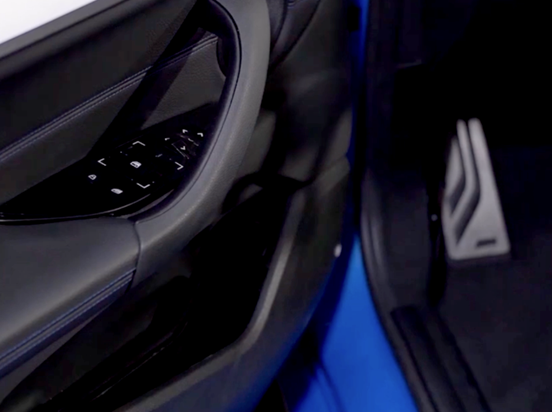
01 — Window controls
Subtle 3D shapes let drivers find each control by feel, without looking away from the road. A light touch selects the window, a firm press moves it.
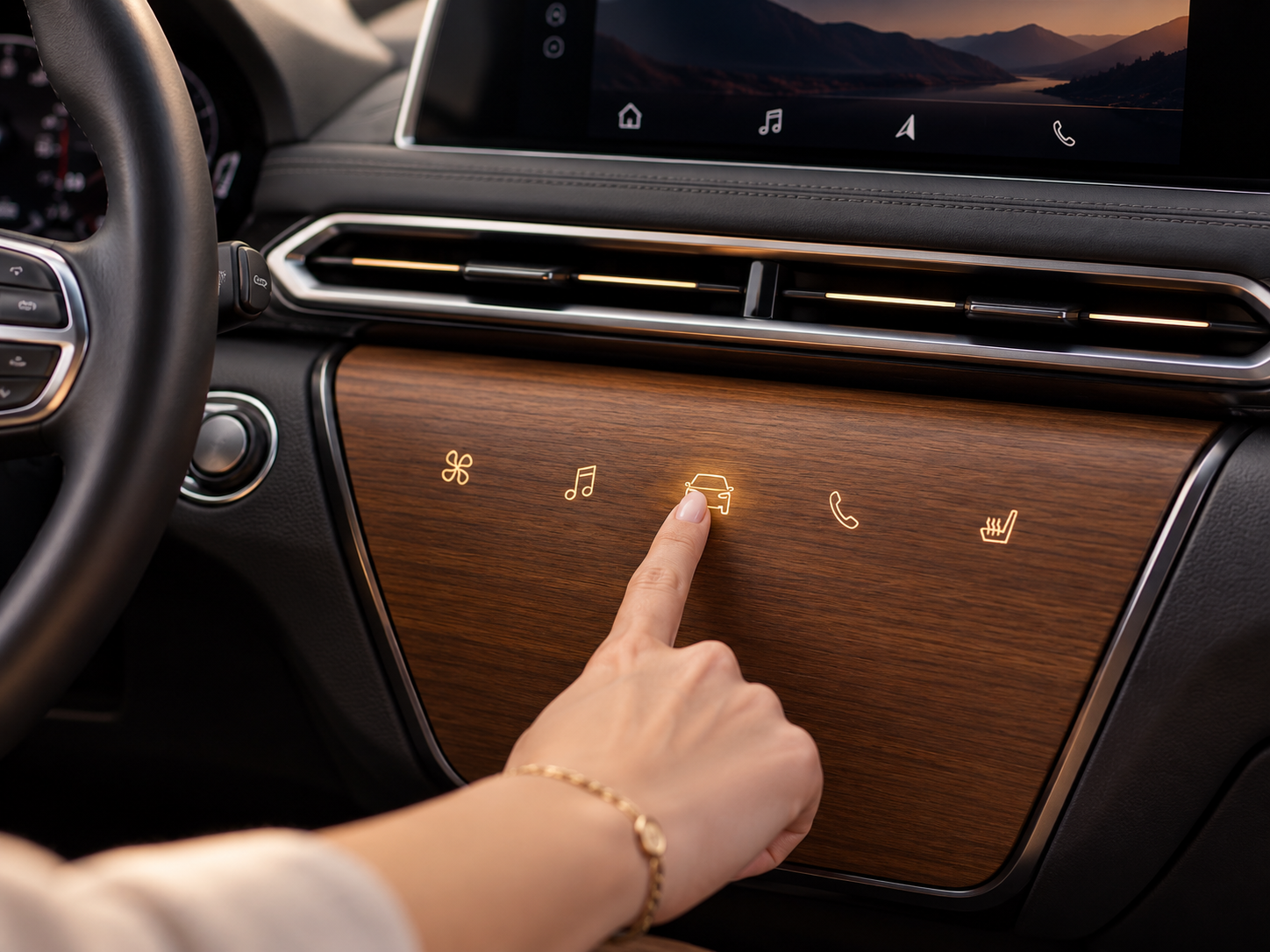
02 — Interactive wood dashboard
Natural wood becomes a fully functional control panel. Nanomade sensors detect touch and pressure through the veneer, while light and haptic feedback reveal and confirm each function only when it is needed.
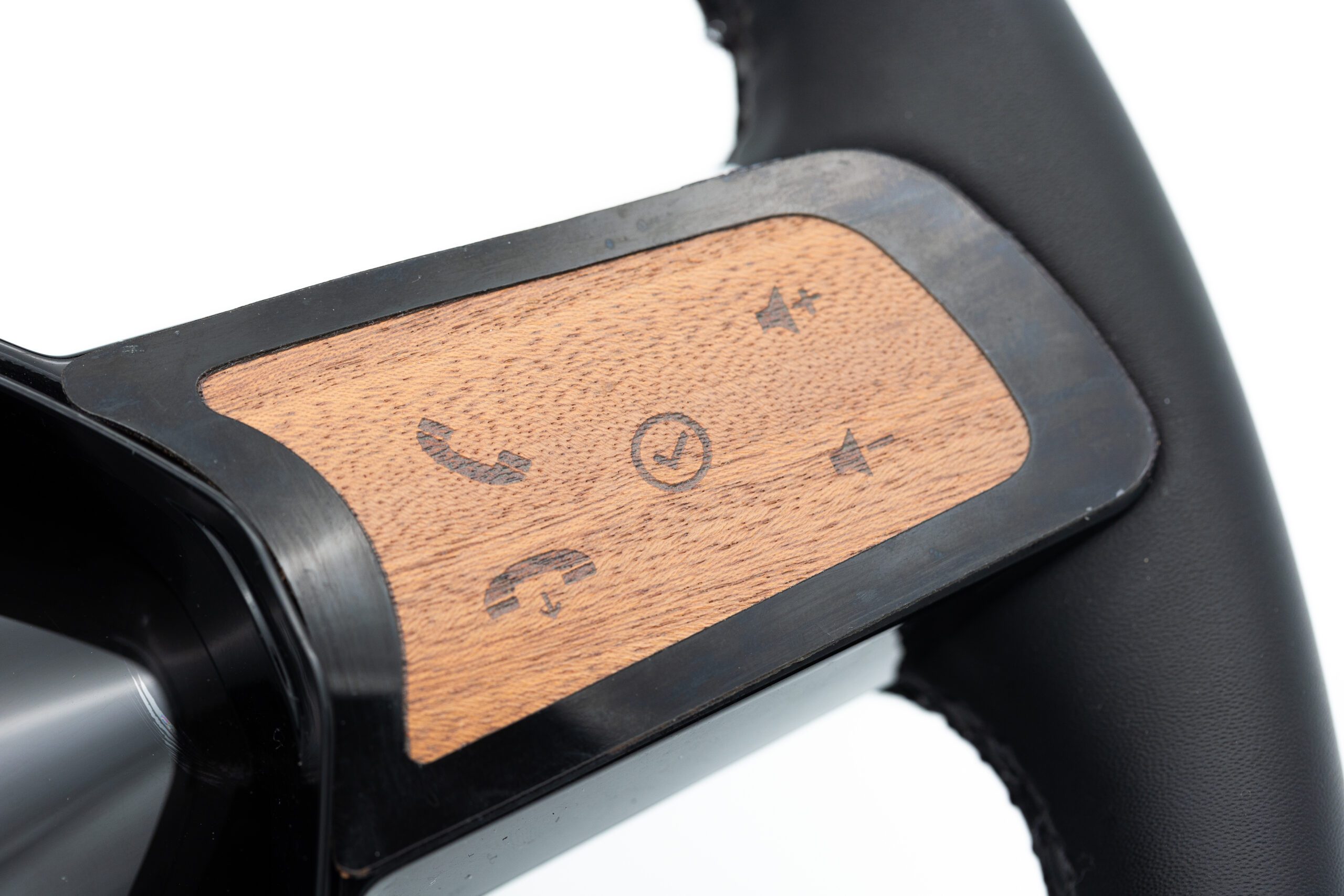
03 — Steering wheel controls
Keep hands on the wheel and eyes on the road. Force confirmation filters out accidental activations during steering, and progressive haptic feedback lets drivers operate controls by feel alone.
Core technology features.

Ultra-sensitive.
Detects micro-deformations through metal, wood, leather or plastics, with thin, flexible sensors that fit curved interior parts.

Force & Touch.
Combines contact detection with force information on a single sensor to distinguish a deliberate press from simple contact, with an activation threshold tuned per control.

Haptic feedback & light effects.
Force-driven, gradual haptics recreate the feel of a physical button. Transparent, light-through sensors add backlit symbols and hidden-till-lit effects, for an intuitive, eyes-free experience.

Robustness in real-use conditions.
Force sensing maintains responsiveness with gloves and humidity, with performance documented under validated test conditions.

Industrial path to series production.
Printed electronics, dedicated electronics and quality control processes designed for repeatable, series-compatible integration.
Case studies.
Explore how Nanomade sensing technology enables new interactions and integration possibilities.
01
Windows Lifter.
Intentional force and touch controls for window lift systems
Explore the case study
02
Wood Interactive Dashboard.
Pressure-sensitive interactions integrated into natural wood surfaces
Explore the case study
03
Steering Wheel.
Safer, intuitive controls with progressive tactile feedback
Explore the case study
Have an application in mind?
Tell us about your automotive project, the surfaces you want to make interactive and your technical requirements. Our team will help you explore the right sensing solution.