
Applications / Consumer electronics
Premium devices, invisible controls.
Nanomade sensors bring touch and force sensing to metal, glass or plastic housings, from laptops and phones to headphones and smart glasses. Fewer buttons, sleeker designs, and intuitive controls exactly where users expect them.
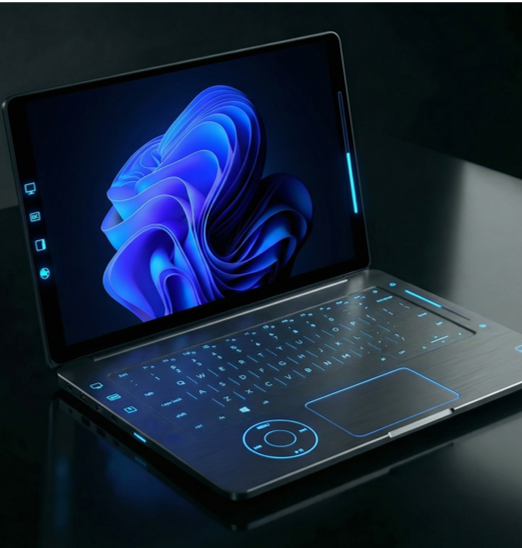
Sector constraints.
01
Unlimited design.
Interactions can be created on any material, premium finishes such as metal included, with no cuts or bulky buttons.
02
Fits complex, compact shapes.
Thin and flexible, the sensors adapt to curved and tight form factors, from smartglasses frames to earbuds and rings.
03
Reliable interactions.
A deliberate press confirms every action, preventing unintended activations, and controls keep working with gloves, humidity or sweat.
04
Richer inputs, premium experience.
Force levels, gestures, high resolution haptics and light effects make interactions more intuitive, expressive and premium.
05
Low power consumption.
An energy-efficient design preserving battery life.
Smarter controls for everyday devices.
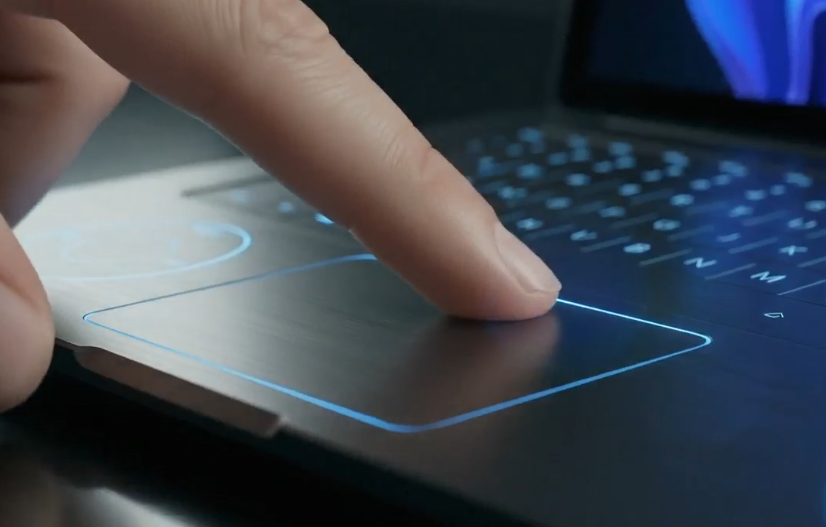
01 — PC metal interactions
Turn the aluminium chassis into a force-sensitive trackpad and invisible sliders for volume, brightness or shortcuts, with no gaps or moving parts.
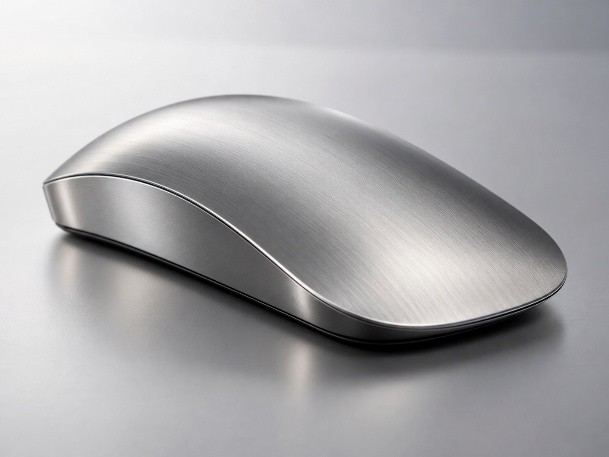
02 — Mouse metal controls
Replace mechanical clicks and scroll wheels with seamless metal surfaces that detect presses, swipes and pressure levels.

03 — Headphones interactions
Play, pause, adjust volume or switch modes with a tap, swipe or press on the earcup, even with sweat, rain or gloves.
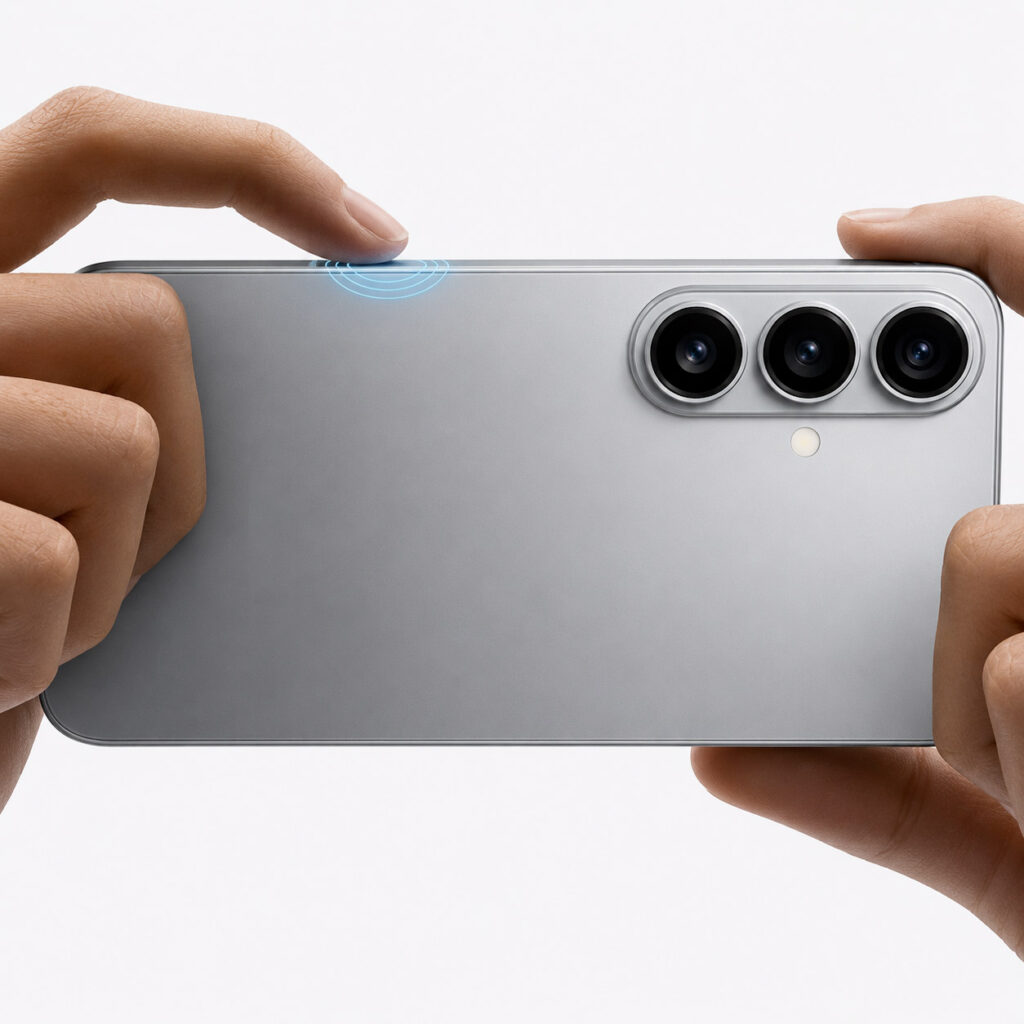
04 — Smartphone side commands
Swap physical side buttons for flush, pressure-sensitive zones in the metal frame, freeing up internal space and improving sealing.
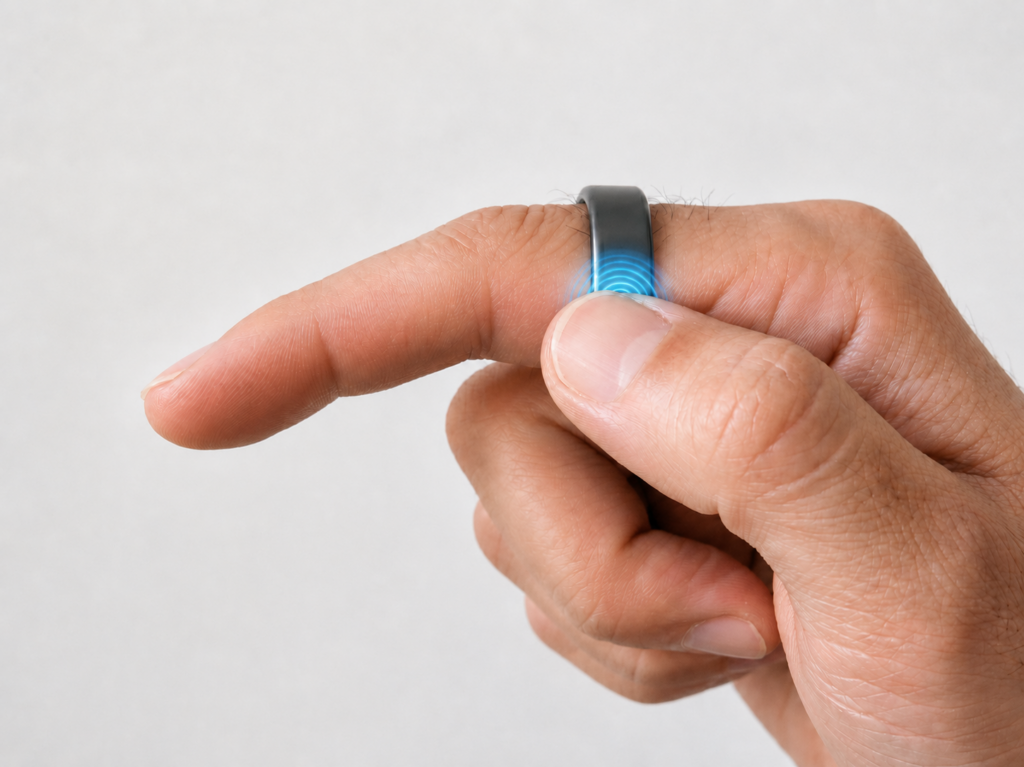
05 — Smart ring intuitive gestures
Add tap, press and swipe controls to the tiny, curved surface of a ring, with minimal impact on battery life.

06 — Smartglasses slider
Integrate an invisible slider and buttons into the frame to scroll, adjust volume or take a photo, with no unintended activation when the user adjusts their glasses.
07 — Gaming joystick
Add pressure-sensitive buttons, triggers and grip zones that translate force levels into analog in-game control, for faster, more precise and more immersive gameplay.
Core technology features.

Ultra-sensitive.
Touch and force are detected through any type of material, even metal, down to the smallest surface deformation.

Force & Touch.
Combining contact detection with force information lets the product tell an intentional press from a simple touch.

AI gesture recognition.
Embedded AI recognises taps, swipes and complex gestures, turning any surface into a rich, intuitive interface.

High-resolution haptic feedback.
Gradual, precise haptics confirm every action, so users feel their command has been registered without looking.

Transparency for light effects.
Transparent sensors let light shine through the surface, enabling backlit icons and hidden-till-lit effects.
Case studies.
Explore how Nanomade sensing technology enables new interactions and integration possibilities.
Have an application in mind?
Tell us about your product, the surfaces you want to make interactive and the interactions you want to create.